

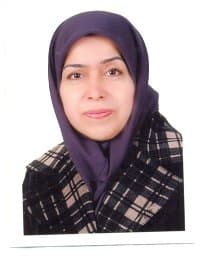
Giti Emtiazi, Ph.D. ,
Professor
Department Of Cell And Molecular Biology & MicrobiologyFaculty Of Biological Science And Technology
Address
University of Isfahan
Azadi square
Isfahan, Iran
Postal Code : 8174673441
Biography
Professor Giti Emtiazi, a distinguished academic and top-tier researcher of Iran, is a pioneer in bridging microbiology, biotechnology, and nanosciences. Her illustrious scientific career represents a lifetime dedicated to the advancement of research and the transformation of knowledge into industrially impactful technologies. Academic and Research Portfolio: As an inspiring mentor, she has supervised 44 master's theses and 9 doctoral dissertations. The fruits of her guided research include the authorship of 11 specialized books and the publication of over 160 scientific-research articles in the most prestigious international and national journals. Among her other outstanding achievements is the successful execution of 15 industry-based research projects, building a solid bridge between academia and industry. National Awards and Honors: Professor Emtiazi's tireless efforts have been recognized on numerous occasions. Her most notable accolades include being named "National Exemplary Professor" in 2003, receiving the "Plaque of Honor as a Distinguished Woman of the Nation" in 1997, and being selected as "Provincial Exemplary Researcher" in 1999. Innovation at the Frontiers of Knowledge: Microbial Nanotechnology Dr. Emtiazi is among the global trailblazers in the field of microbial nanobiotechnology. Her two authored books, "Molecular Nanobiotechnology of Prokaryotes" and "Production of Artificial Cells and Their Immobilization Using Biotechnology and Nanotechnology Techniques," are the first works published in Iran in these advanced domains. Due to their innovative approach, they were quickly embraced by the scientific community. In describing her research approach, she speaks of producing—for the first time in the world—sustainable, biocompatible, and cost-effective bio-nanomaterials, including nanoparticles of gold, platinum, iron oxide, zinc oxide, and manganese oxide, using microorganisms. The articles resulting from these pioneering achievements have solidified the University of Isfahan's standing in this scientific arena. Bridging Science and Industry: From Laboratory to National Development With a profound understanding of national needs, Professor Emtiazi has always emphasized the commercialization of science. Given the University of Isfahan's success in achieving mass-production technology for pollutant-degrading microbes, she heralds the realization of industrial-scale microbial production. Collaborations with major industries such as Isfahan Oil Refinery, Zob Ahan (Isfahan Steel), Mobarakeh Steel, the Agricultural Jihad, and NanoPak Company, in the form of joint research projects for the mass production of biological cleaning agents targeting oil, ammonia, and sulfur pollutants, bear witness to this commitment. She expresses hope that this research will lead to "transforming science into wealth" and solving environmental challenges. A Bright Horizon for Research: Professor Emtiazi holds a positive assessment of Research Week, viewing it as a sign of a serious determination to strengthen the ties between academia and industry. She believes that the encouragement from authorities has led to both a quantitative and qualitative increase in scientific articles and a closer engagement of faculty members with industry.
Research Interests
1. Microbial Nanobiotechnology Biological synthesis of metallic and metal oxide nanoparticles (gold, platinum, iron oxide, zinc oxide, and manganese oxide) using microorganisms Production of biocompatible, stable, and cost-effective nanomaterials through microbial pathways Molecular nanobiotechnology of prokaryotes 2. Artificial Cell Production and Bio-immobilization Design and construction of artificial cells Cell immobilization techniques using biotechnology and nanotechnology approaches 3. Bioremediation and Environmental Biotechnology Isolation and mass production of pollutant-degrading microbes Biological removal of petroleum hydrocarbons, ammonia, sulfur, and other toxic compounds Collaboration with oil, gas, refinery, and steel industries to develop bioremediation technologies 4. Industrial Biotechnology and Science Commercialization Translating laboratory-scale findings into industrial-scale microbial production Establishing effective partnerships between academia and major national industries (Isfahan Oil Refinery, Zob Ahan/Isfahan Steel, Mobarakeh Steel, Agricultural Jihad, and NanoPak Company) Leading and executing industry-based research projects 5. Applied Microbiology and Prokaryotic Biology Fundamental and applied studies of microorganisms with industrial and environmental potential Production of valuable microbial metabolites
Teaching
Undergraduate Level No. Course Title ۱ General Microbiology ۲ Environmental Microbiology ۳ Cell and Molecular Biology ۴ General Biochemistry ۵ Microbiology Laboratory ۶ Fundamentals of Biotechnology ۷ Microbial Ecology Graduate Level (M.Sc.) No. Course Title ۱ Advanced Microbial Biotechnology ۲ Prokaryotic Physiology and Metabolism ۳ Molecular Nanobiotechnology of Prokaryotes ۴ Bioremediation ۵ Advanced Laboratory Techniques in Microbiology ۶ Production and Immobilization of Artificial Cells ۷ Industrial and Environmental Biotechnology ۸ Seminar and Research Methodology in Biological Sciences Doctoral Level (Ph.D.) No. Course Title ۱ Advanced Topics in Microbial Nanobiotechnology ۲ Biological Synthesis of Nanomaterials Using Microorganisms ۳ Petroleum Biotechnology and Related Industries ۴ Applications of Nanotechnology in Biological Sciences ۵ Industrial Research Project Management ۶ Current Issues in Molecular Microbiology ۷ Dissertation and Directed Research